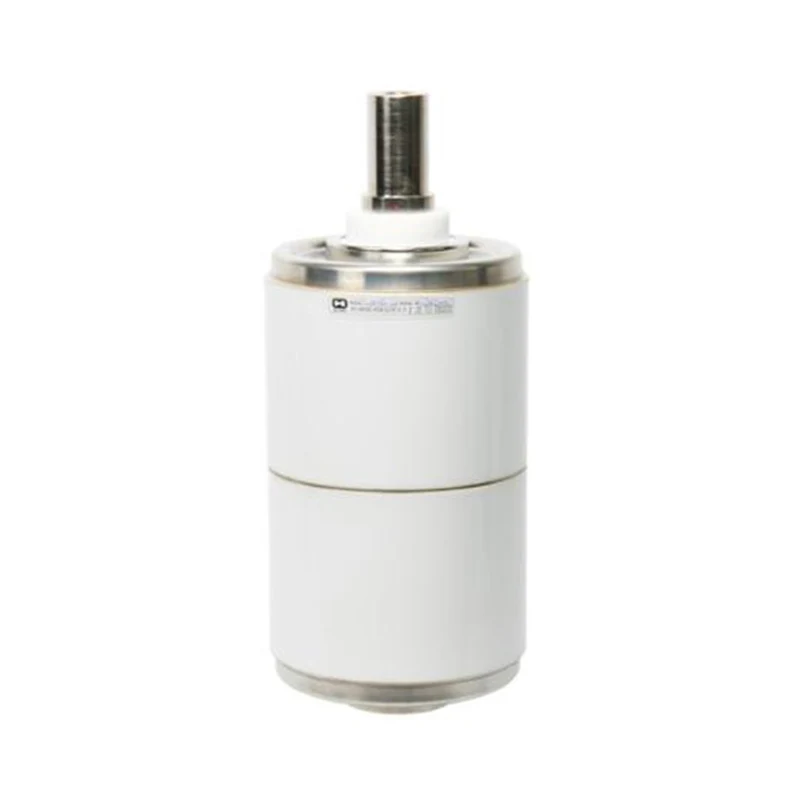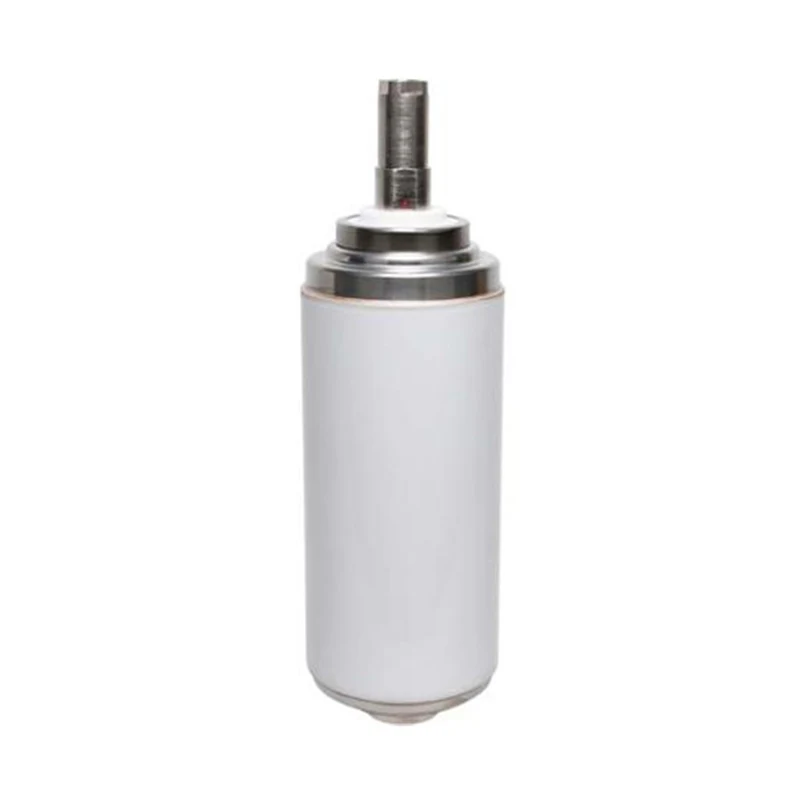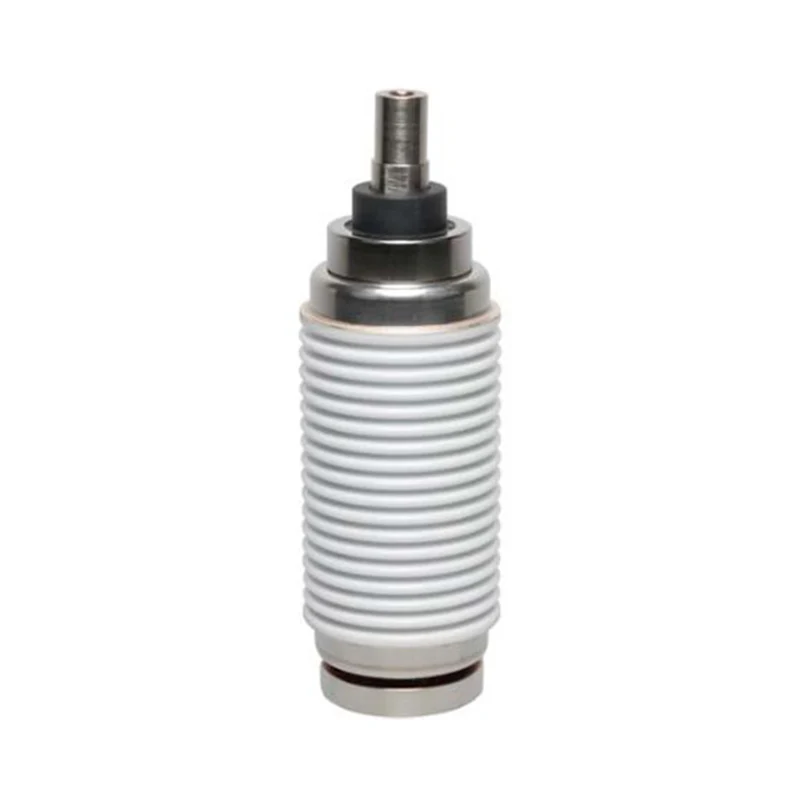
What Is 11KV Vacuum Interrupter Circuit Breaker and Its Role in Power Distribution Systems?
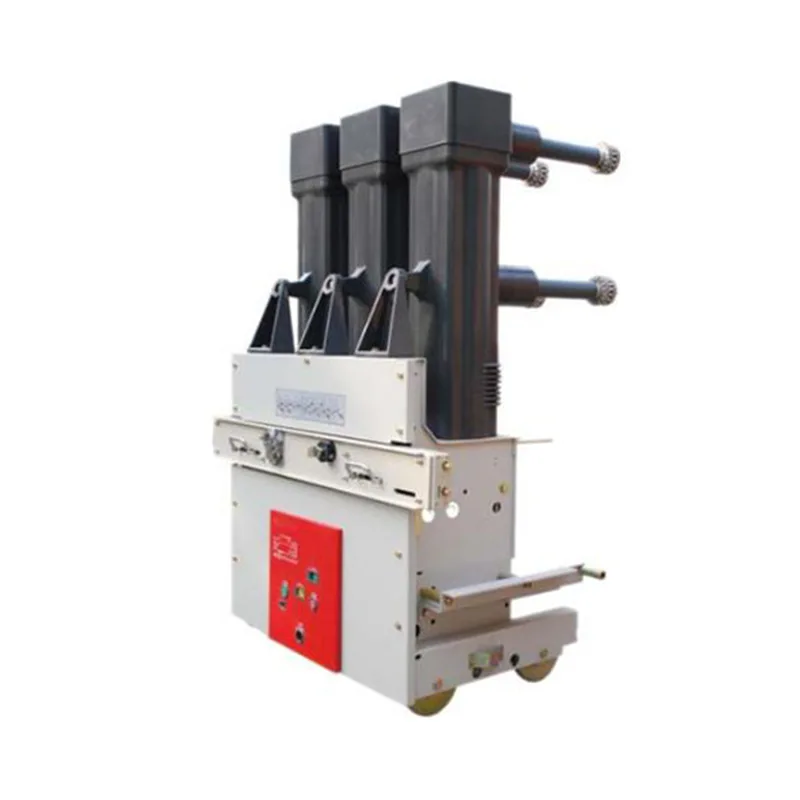
The 11KV Vacuum Interrupter Circuit Breaker is a critical component in modern medium-voltage power distribution networks. It ensures safe interruption of fault currents, protects electrical infrastructure, and enhances system reliability. This article provides a comprehensive guide covering its working principles, structure, benefits, applications, selection criteria, maintenance practices, and future development trends. It is designed to help engineers, procurement specialists, and industrial users understand how this technology supports stable and efficient power systems.

Table of Contents
- 1. Introduction to 11KV Vacuum Interrupter Circuit Breaker
- 2. Working Principle Explained
- 3. Key Components and Structure
- 4. Major Advantages in Power Systems
- 5. Industrial and Utility Applications
- 6. Comparison with Other Circuit Breakers
- 7. Selection Criteria and Engineering Considerations
- 8. Installation and Maintenance Guide
- 9. Common Issues and Troubleshooting
- 10. Safety and Operational Standards
- 11. Future Development Trends
- 12. Frequently Asked Questions
- 13. Conclusion and Professional Insight
1. Introduction to 11KV Vacuum Interrupter Circuit Breaker
The modern electrical grid demands high reliability, fast fault interruption, and minimal maintenance. The 11KV Vacuum Interrupter Circuit Breaker has become one of the most widely used switching devices in medium-voltage distribution systems due to its efficiency and durability.
It operates at a rated voltage of 11 kilovolts, making it suitable for industrial plants, commercial buildings, substations, and utility networks. Its core technology relies on vacuum interruption, which eliminates arc formation in air or oil environments, ensuring faster and safer switching operations.
As industries expand and electricity demand increases, the need for reliable protection equipment becomes even more critical. This device plays a central role in preventing electrical failures, protecting transformers, and ensuring uninterrupted power supply.
2. Working Principle Explained
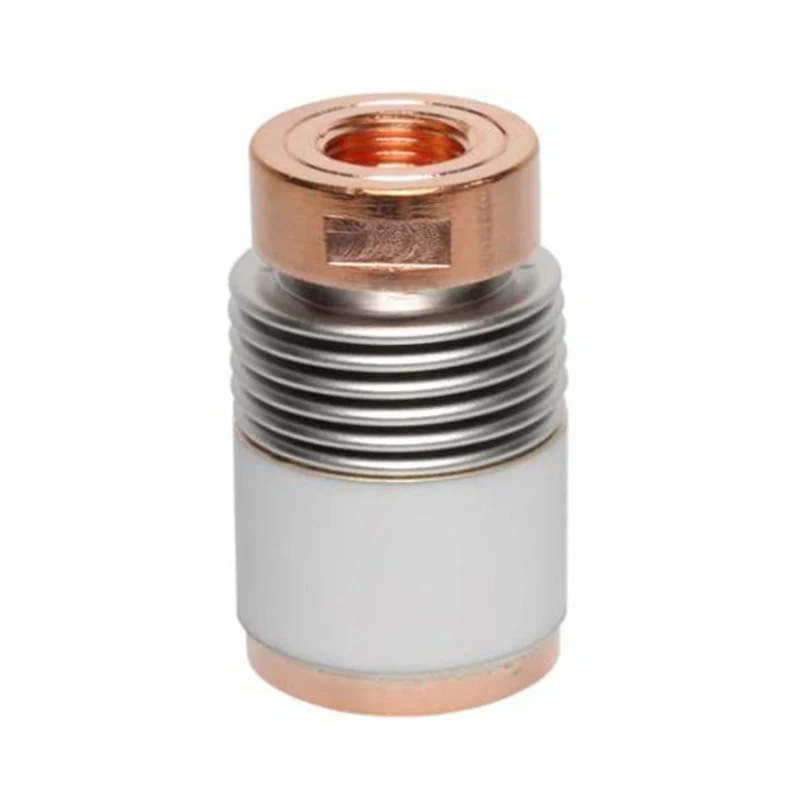
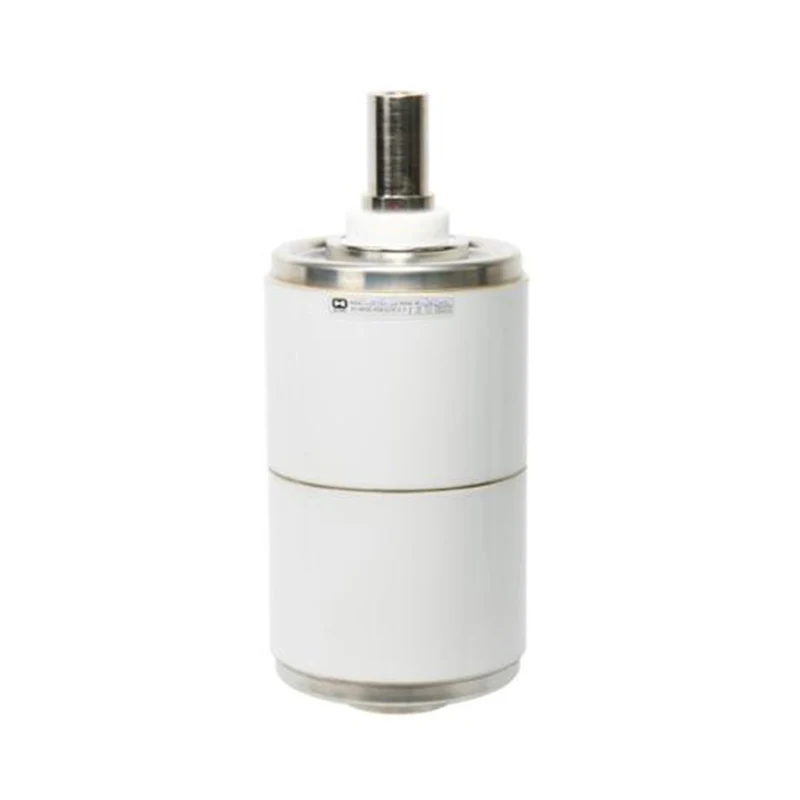
The working principle of the vacuum interrupter is based on the interruption of current in a vacuum environment. When the circuit breaker contacts separate during a fault condition, an arc is formed due to ionization of metal vapor. However, in a vacuum, this arc is quickly extinguished because there are no particles to sustain ionization.
The interruption process can be summarized in the following stages:
- Contact Separation: When a fault occurs, moving contacts separate rapidly.
- Arc Formation: Metal vapor is released, forming a temporary arc.
- Arc Extinction: In vacuum conditions, the arc disappears at the first current zero.
- Dielectric Recovery: The vacuum gap regains insulation strength instantly.
This rapid recovery capability makes vacuum interrupters superior for medium-voltage applications.
3. Key Components and Structure
The 11KV Vacuum Interrupter Circuit Breaker consists of several essential components that work together to ensure safe operation.
| Component | Description | Function |
|---|---|---|
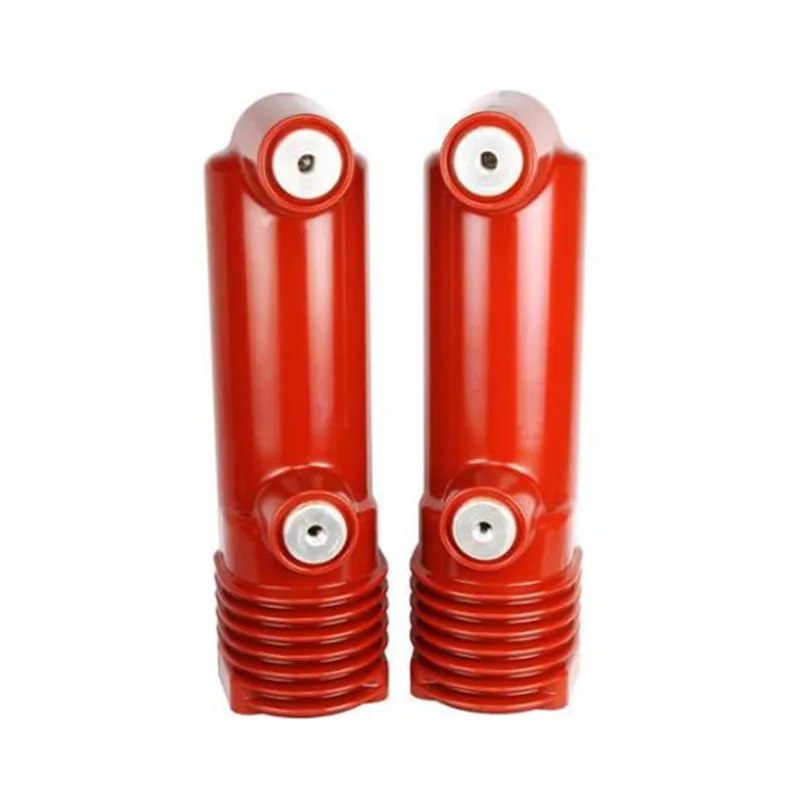
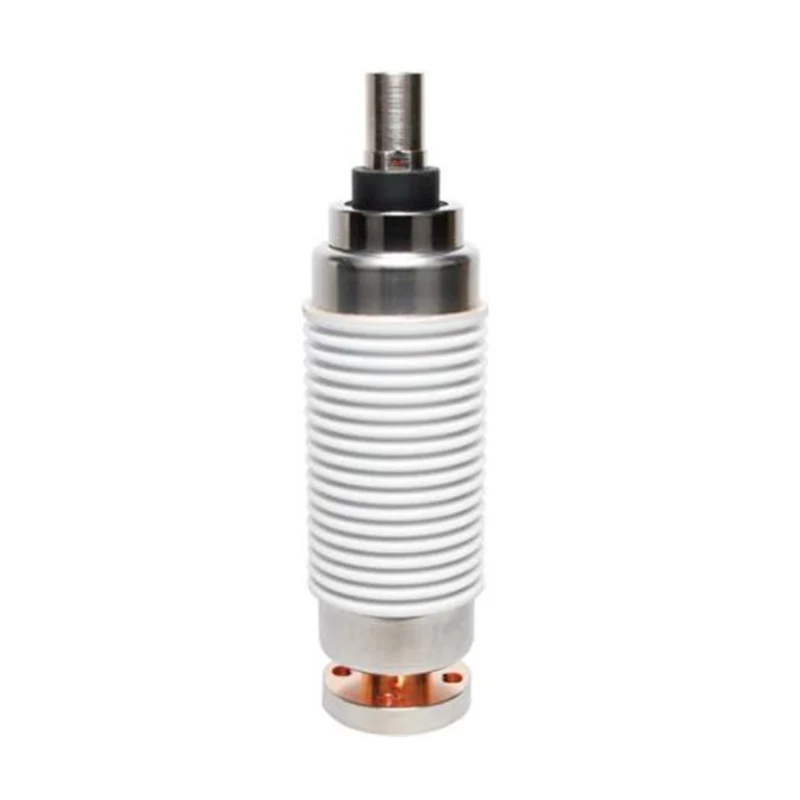
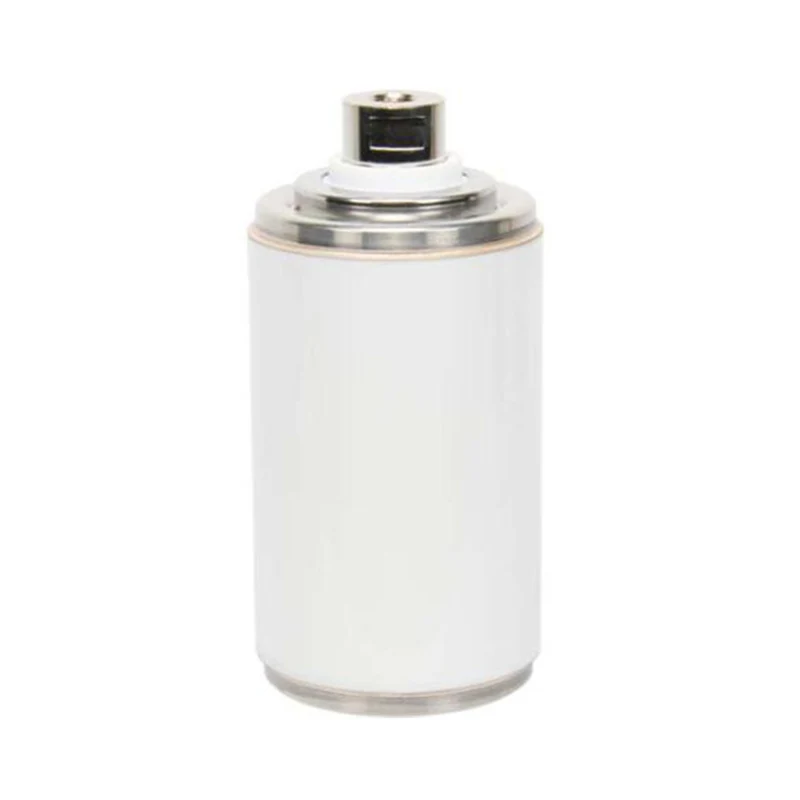
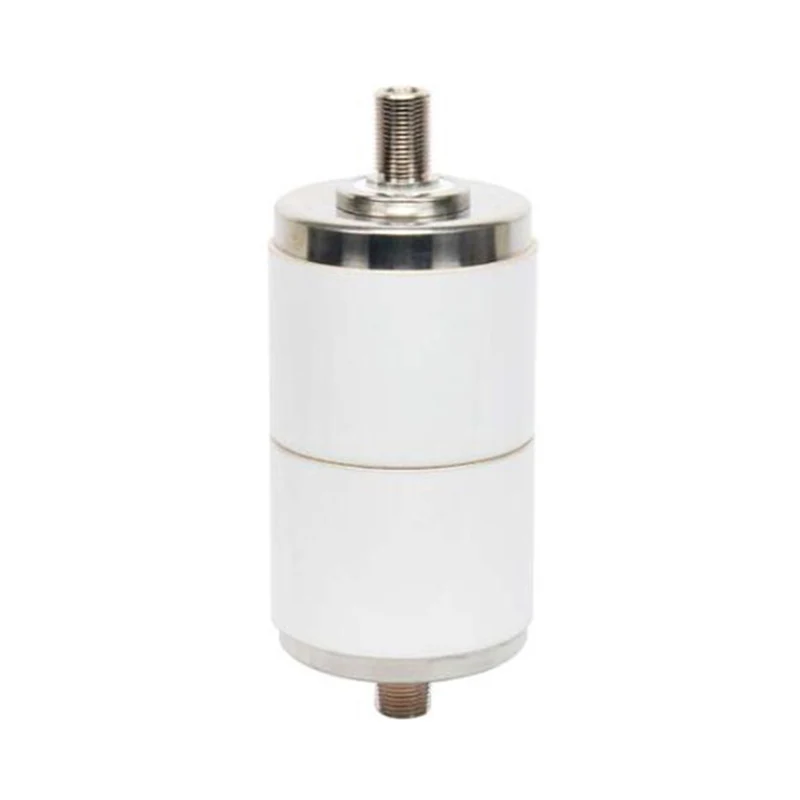
| Vacuum Interrupter Chamber | Sealed vacuum container | Extinguishes arc during switching |
| Moving Contact | Movable conductive rod | Opens and closes the circuit |
| Fixed Contact | Stationary conductive part | Maintains circuit continuity |
| Operating Mechanism | Spring or motor system | Controls contact movement |
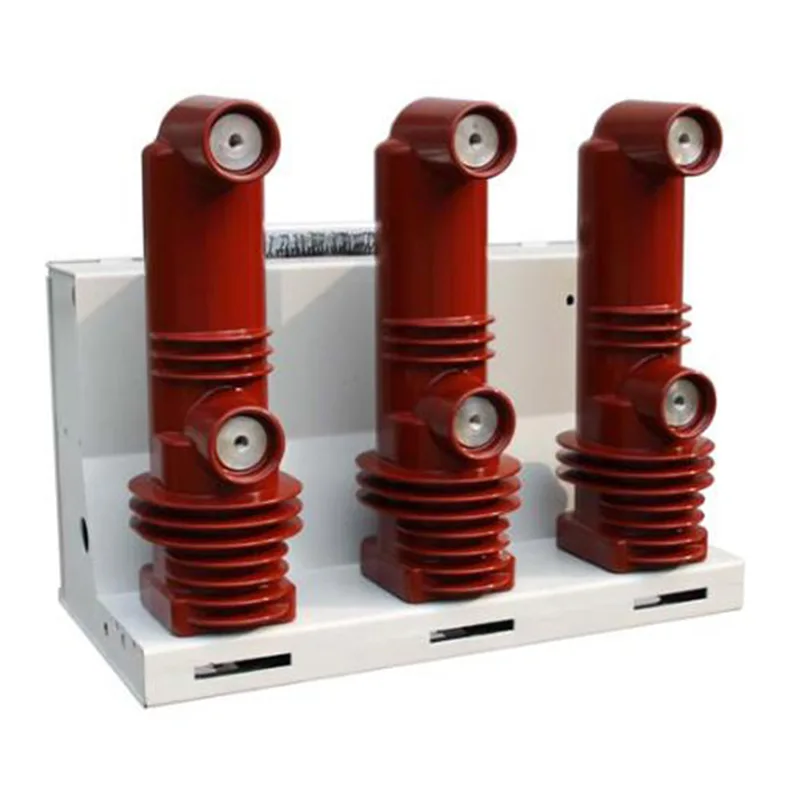
| Insulating Housing | Epoxy or ceramic enclosure | Provides mechanical and electrical insulation |
Each component is designed with precision engineering to ensure durability under repeated switching cycles and fault conditions.
4. Major Advantages in Power Systems
The adoption of vacuum interrupter technology in 11KV circuit breakers brings several significant benefits to power systems.
- High Reliability: Stable performance under frequent switching operations.
- Low Maintenance: No need for oil or gas refilling systems.
- Fast Arc Quenching: Extremely quick interruption of fault currents.
- Environmental Safety: No greenhouse gas emissions like SF6 systems.
- Long Service Life: Designed for high mechanical endurance.
These advantages make it a preferred choice in modern power infrastructure upgrades and new installations.
5. Industrial and Utility Applications
The 11KV Vacuum Interrupter Circuit Breaker is widely used across different industries and sectors, including:
- Power generation stations
- Electrical substations
- Industrial manufacturing plants
- Mining and metallurgy operations
- Commercial buildings and data centers
- Renewable energy systems such as wind and solar farms
Its versatility allows it to handle both normal switching operations and critical fault conditions in demanding environments.
6. Comparison with Other Circuit Breakers
Understanding how vacuum interrupter technology compares with other systems helps highlight its advantages.
| Feature | Vacuum Circuit Breaker | SF6 Circuit Breaker | Oil Circuit Breaker |
|---|---|---|---|
| Arc Quenching Medium | Vacuum | SF6 Gas | Oil |
| Maintenance | Very Low | Moderate | High |
| Environmental Impact | Minimal | High (Greenhouse gas) | Moderate |
| Lifespan | Long | Long | Medium |
From the comparison above, vacuum interrupters clearly stand out for their environmental friendliness and low maintenance requirements.
7. Selection Criteria and Engineering Considerations
Selecting the right 11KV vacuum interrupter circuit breaker requires careful evaluation of several technical factors:
- Rated Voltage and Current: Must match system requirements.
- Breaking Capacity: Ability to interrupt fault current safely.
- Operating Mechanism Type: Spring-operated or motorized systems.
- Installation Environment: Indoor or outdoor application conditions.
- Insulation Level: Must comply with system insulation coordination standards.
Proper selection ensures long-term stability and reduces operational risks in electrical networks.
8. Installation and Maintenance Guide
Correct installation is essential for ensuring optimal performance and safety.
Installation Steps:
- Inspect equipment for transportation damage.
- Ensure correct alignment with switchgear panels.
- Verify all electrical connections are tight and secure.
- Conduct insulation resistance testing before energizing.
Maintenance Practices:
- Regular inspection of mechanical parts.
- Lubrication of moving mechanisms when required.
- Electrical testing of contact resistance.
- Thermal imaging to detect hotspots.
Due to its sealed vacuum design, maintenance requirements are significantly lower compared to conventional systems.
9. Common Issues and Troubleshooting
Although highly reliable, vacuum interrupters may face certain operational challenges over time.
- Contact Wear: Caused by frequent switching operations.
- Mechanical Failure: Issues in spring or actuator systems.
- Insulation Degradation: Due to environmental stress.
Troubleshooting typically involves inspection, testing, and component replacement when necessary. Preventive maintenance remains the most effective strategy.
10. Safety and Operational Standards
Safety is a key consideration in high-voltage equipment operation. The 11KV vacuum interrupter circuit breaker is designed to comply with international electrical standards and safety protocols.
Operators should follow proper grounding procedures, wear protective equipment, and ensure systems are de-energized before maintenance.
Advanced protection systems integrated with modern switchgear also help reduce human intervention risks.
11. Future Development Trends
The future of vacuum interrupter technology is closely linked to smart grid development and digitalization.
- Integration with IoT-based monitoring systems
- Development of compact and modular designs
- Improved arc interruption materials
- AI-based predictive maintenance systems
These advancements will further enhance reliability, efficiency, and automation in power distribution networks.
12. Frequently Asked Questions
Q1: What makes vacuum interrupters better than traditional breakers?
They offer faster arc extinction, lower maintenance, and higher reliability compared to oil-based systems.
Q2: How long does an 11KV vacuum interrupter last?
With proper usage, it can last for many years, often exceeding tens of thousands of mechanical operations.
Q3: Can it be used in outdoor environments?
Yes, but it must be installed in properly rated outdoor switchgear enclosures.
Q4: Is maintenance required frequently?
No, maintenance is minimal due to the sealed vacuum structure.
Q5: What industries commonly use it?
Utilities, manufacturing, mining, renewable energy, and commercial infrastructure sectors widely use it.
13. Conclusion and Professional Insight
The 11KV Vacuum Interrupter Circuit Breaker represents a cornerstone of modern electrical protection systems. Its ability to safely interrupt high fault currents while maintaining long-term reliability makes it essential in today's power networks.
As electrical demand continues to grow globally, technologies that offer efficiency, safety, and environmental compatibility will become increasingly important. Vacuum interrupter technology is well-positioned to meet these demands for years to come.
For high-quality solutions and professional engineering support, Sunway Hanguang Electric Manufacturing Limited Co., Ltd. provides advanced products designed for modern power distribution systems.
Contact us today to explore reliable 11KV vacuum interrupter circuit breaker solutions tailored to your industrial or utility needs.
Related News
- 33kV Vacuum Interrupter For Generator VCB for Reliable High Voltage Protection
- Why Is 24KV Vacuum Interrupter For Load Break Switch Essential in Modern Power Distribution Systems?
- Why Is 36KV Vacuum Interrupter Circuit Breaker Essential for Modern Power Distribution?
- Why is 11KV Vacuum Interrupter For Outdoor VCB essential for reliable power distribution?
- What Is an Embedded Pole and Why Is It Transforming Modern Power Distribution?
- Why Is Vacuum Interrupter For Recloser Essential For Modern Power Distribution Systems?
Leave me a message