Why Is a Vacuum Interrupter for Railway Circuit Breakers Essential for Modern Railway Power Systems
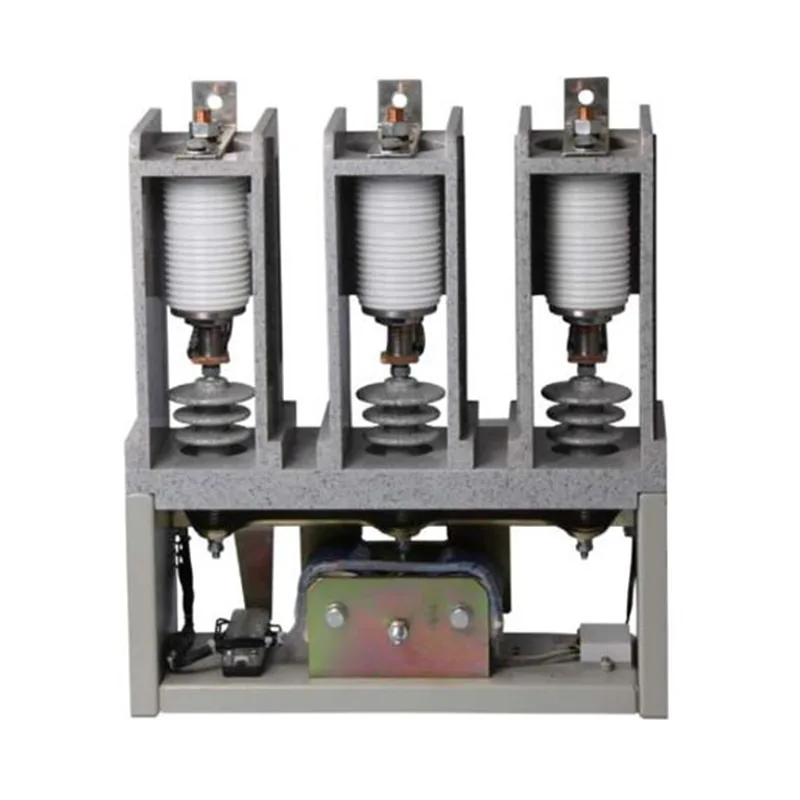
Railway electrification systems require extremely reliable protection components to maintain uninterrupted operation and ensure safety across high-voltage traction networks. One of the most critical components in railway circuit breakers is the Vacuum Interrupter For Railway Circuit Breaker, which enables rapid arc extinction, reliable switching, and long operational life.
This article explores how vacuum interrupters function in railway systems, why they are superior to traditional arc interruption technologies, and how they improve reliability, efficiency, and maintenance performance in modern rail infrastructure. We will also examine design principles, technical specifications, advantages, and practical applications. The guide provides engineers, procurement managers, and railway infrastructure planners with a comprehensive understanding of this essential component.
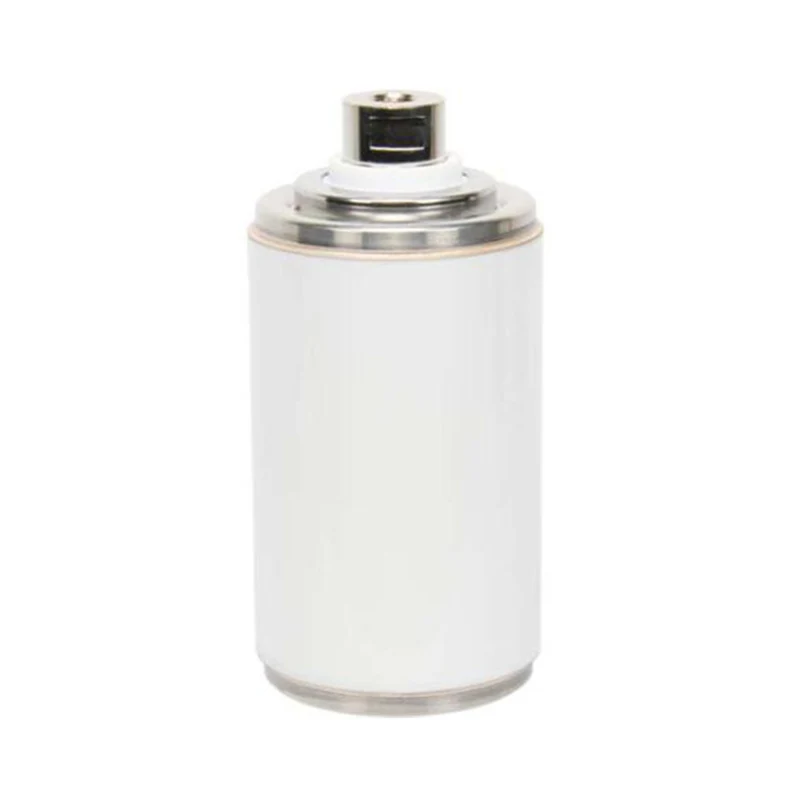
Table of Contents
- 1. What Is a Vacuum Interrupter for Railway Circuit Breakers?
- 2. Why Are Vacuum Interrupters Critical in Railway Power Systems?
- 3. How Does Vacuum Arc Interruption Technology Work?
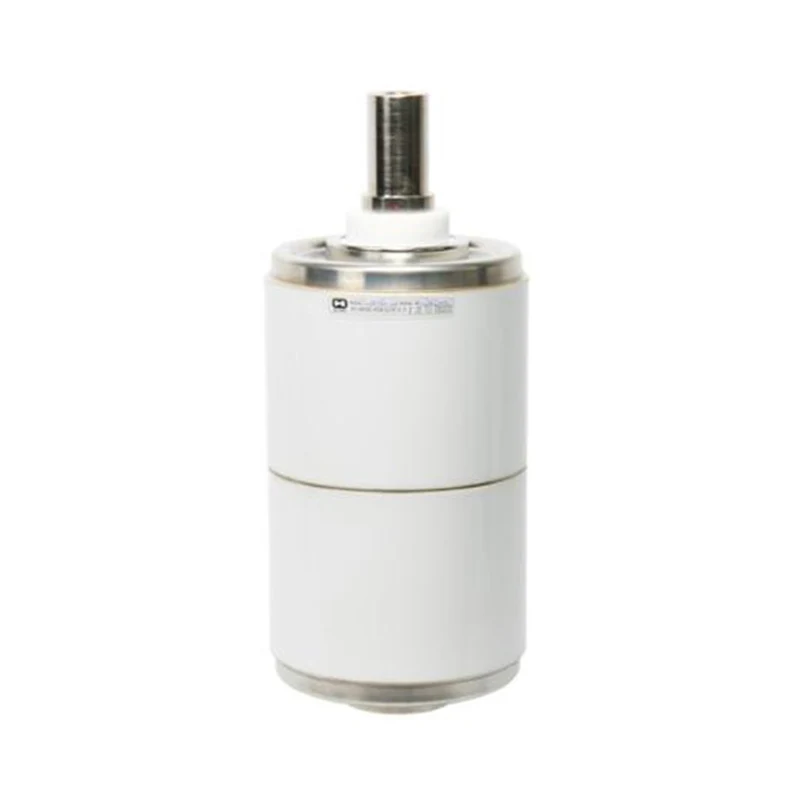
- 4. Key Components and Structure of Railway Vacuum Interrupters
- 5. Technical Specifications and Performance Parameters
- 6. Advantages of Vacuum Interrupters Compared to Other Technologies
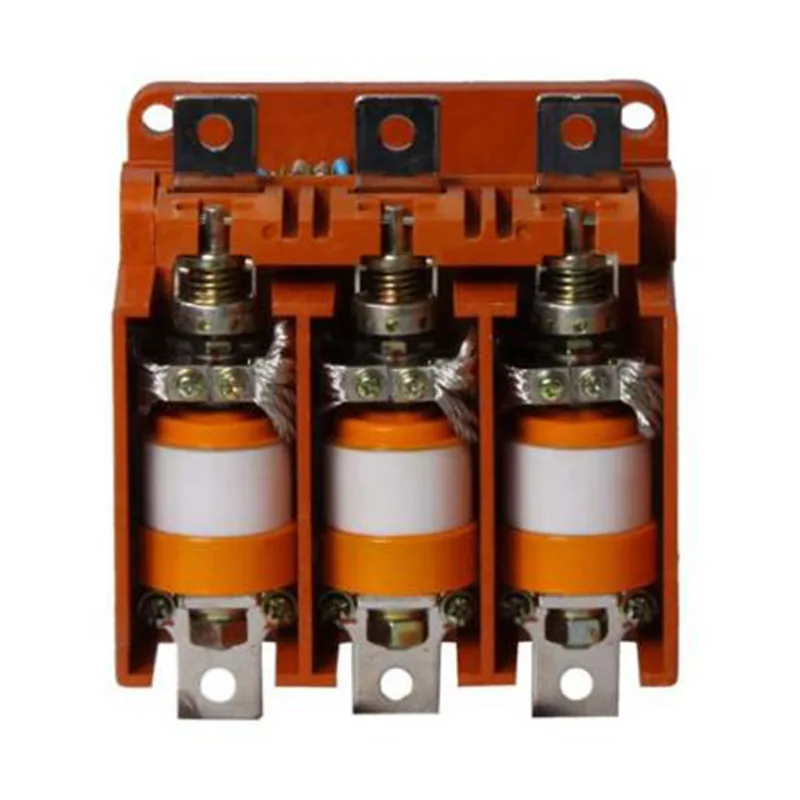
- 7. Applications in Railway Electrification Systems
- 8. Maintenance and Service Life Considerations
- 9. How to Choose the Right Vacuum Interrupter Supplier
- 10. Frequently Asked Questions
1. What Is a Vacuum Interrupter for Railway Circuit Breakers?
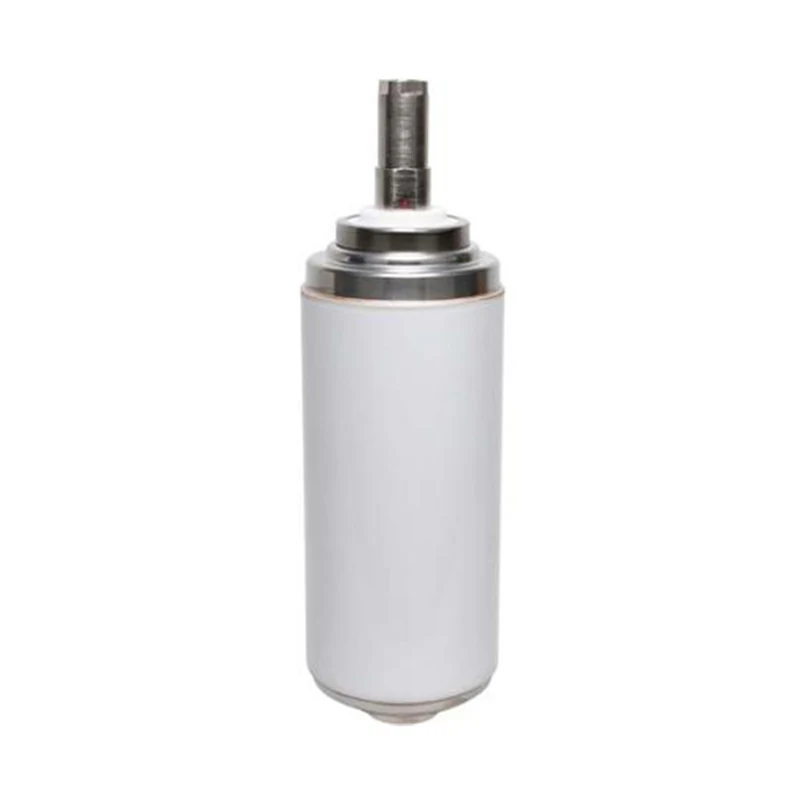
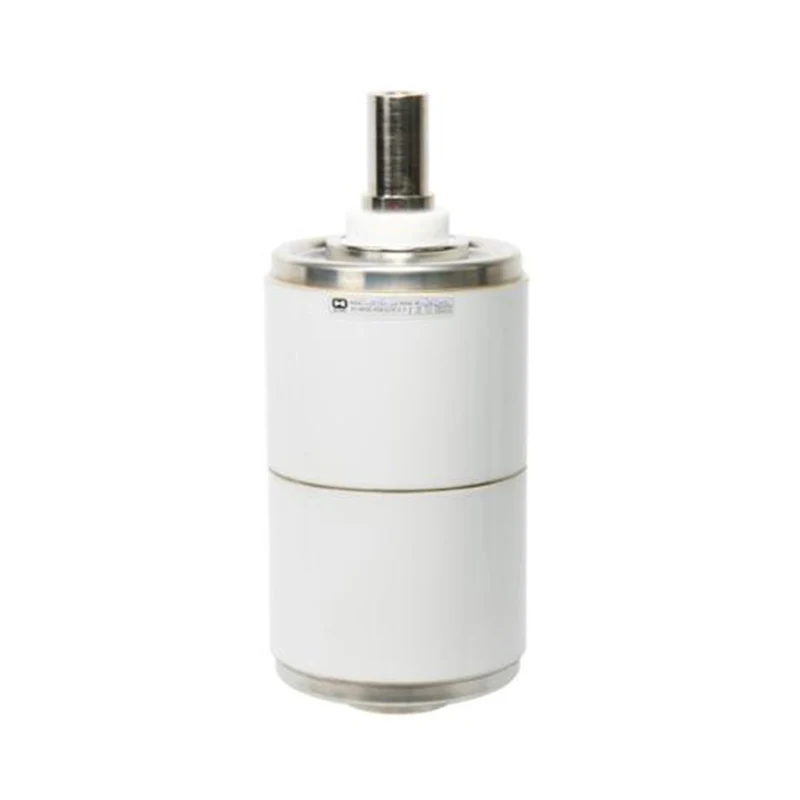
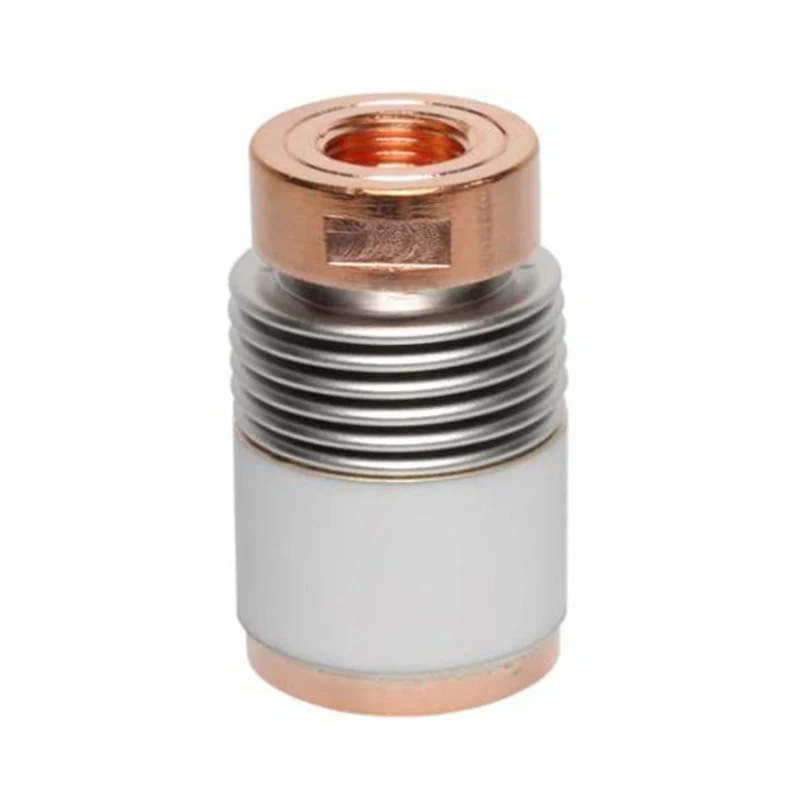
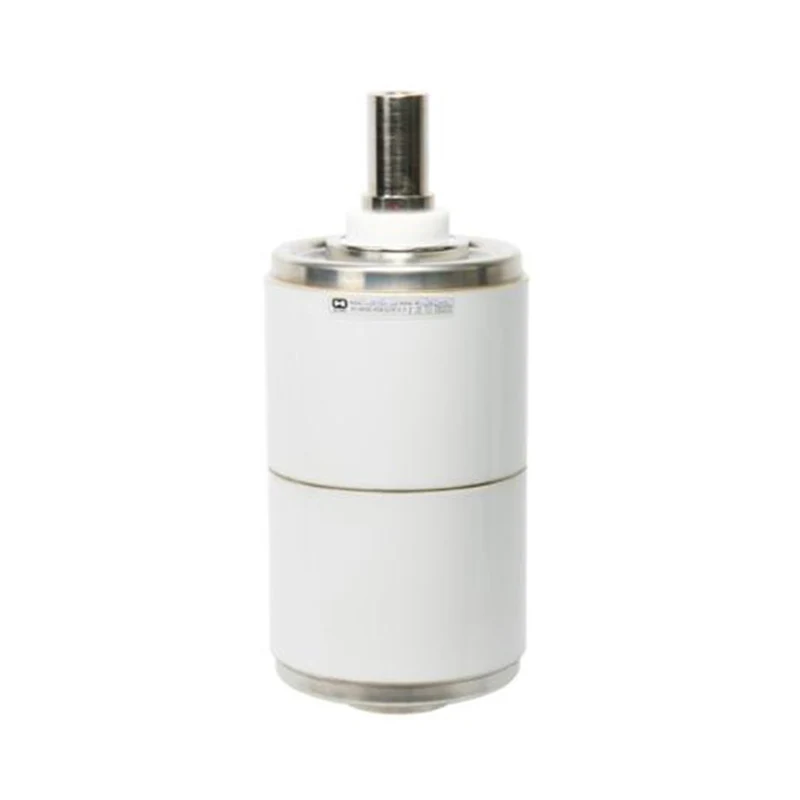
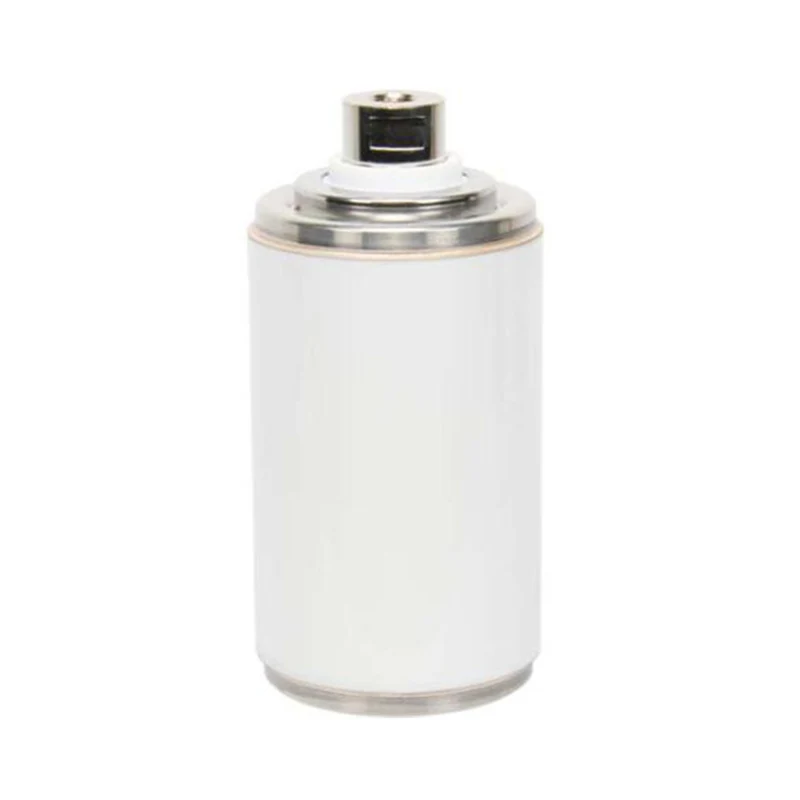
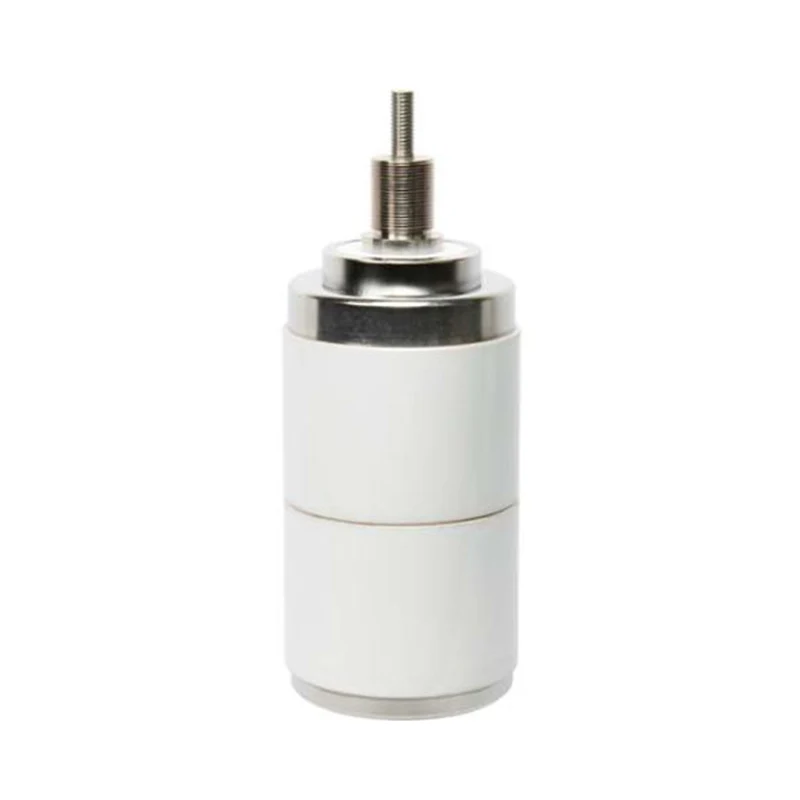
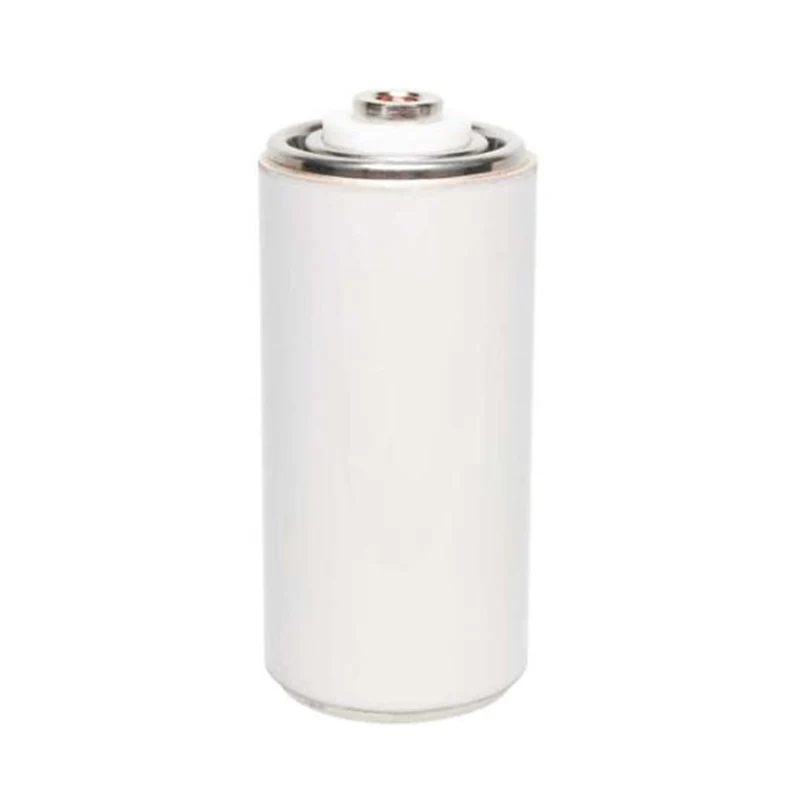
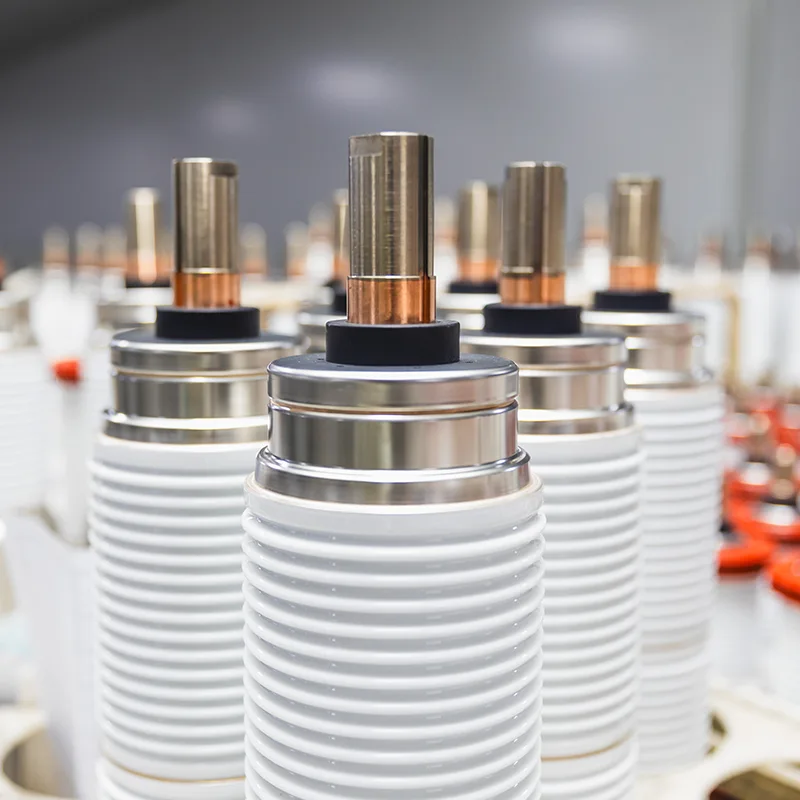
A Vacuum Interrupter For Railway Circuit Breaker is a specialized electrical component designed to interrupt current flow within high-voltage railway power distribution systems. It is installed inside railway circuit breakers and uses a vacuum environment to extinguish electrical arcs generated when contacts separate.
Railway power systems operate under demanding conditions including high switching frequency, large current loads, and harsh outdoor environments. Vacuum interrupters are ideal for these applications because they provide:
- High dielectric strength
- Fast arc extinction
- Long mechanical life
- Minimal maintenance requirements
- High reliability under frequent operations
2. Why Are Vacuum Interrupters Critical in Railway Power Systems?
Modern railways rely heavily on electrified traction networks that supply power to trains, signaling equipment, and control systems. These systems must operate safely while handling sudden load changes, electrical faults, and switching operations.
Vacuum interrupters play a vital role in protecting railway infrastructure by quickly isolating faults and preventing electrical damage.
Main Functions
- Interrupt short-circuit currents
- Protect traction substations
- Ensure safe switching of power lines
- Prevent arc damage to equipment
- Improve overall grid reliability
Without reliable interruption technology, railway networks could face severe operational disruptions and safety hazards.
3. How Does Vacuum Arc Interruption Technology Work?
The working principle of vacuum interruption is based on arc suppression inside a sealed vacuum chamber.
Step-by-Step Process
- When the circuit breaker opens, the contacts inside the vacuum interrupter separate.
- An electric arc forms briefly between the contacts.
- The vacuum environment limits ionized particles.
- The arc quickly extinguishes at current zero.
- The gap regains dielectric strength almost instantly.
Because there are almost no gas molecules in the vacuum, arc energy dissipates extremely quickly. This allows the interrupter to handle high currents with minimal contact wear.
4. Key Components and Structure of Railway Vacuum Interrupters
A railway vacuum interrupter is carefully engineered with multiple precision components to ensure reliable performance.
| Component | Function |
|---|---|
| Vacuum Chamber | Maintains a high vacuum environment for arc extinction |
| Fixed Contact | Stationary electrode for current conduction |
| Moving Contact | Moves during switching to open or close the circuit |
| Bellows | Allows contact movement while maintaining vacuum seal |
| Shield | Prevents metal vapor from contaminating the ceramic insulator |
| Ceramic Insulator | Provides electrical insulation and mechanical strength |
Manufacturers such as Sunway Hanguang design these components using advanced vacuum sealing technology and precision metallurgy to ensure high switching reliability.
5. Technical Specifications and Performance Parameters
Railway vacuum interrupters must meet strict electrical and mechanical performance requirements.
| Parameter | Typical Range |
|---|---|
| Rated Voltage | 7.2 kV – 40.5 kV |
| Rated Current | 630 A – 3150 A |
| Breaking Capacity | 20 kA – 40 kA |
| Mechanical Life | 30,000 – 100,000 operations |
| Contact Material | CuCr Alloy |
| Vacuum Pressure | 10⁻⁶ – 10⁻⁷ Pa |
These parameters ensure that railway circuit breakers can safely handle high power loads and fault conditions.
6. Advantages of Vacuum Interrupters Compared to Other Technologies
Historically, power systems used oil circuit breakers or SF6 gas circuit breakers. However, vacuum interrupters provide several advantages that make them ideal for railway applications.
Key Benefits
- Environmentally friendly (no SF6 gas)
- Compact design
- Fast arc extinction
- Low maintenance
- High operational reliability
- Long electrical life
Technology Comparison
| Technology | Arc Medium | Maintenance | Environmental Impact |
|---|---|---|---|
| Oil Circuit Breaker | Oil | High | Oil contamination risk |
| SF6 Circuit Breaker | SF6 Gas | Medium | Greenhouse gas impact |
| Vacuum Circuit Breaker | Vacuum | Low | Eco-friendly |
7. Applications in Railway Electrification Systems
Vacuum interrupters are widely used across various railway power equipment.
Main Application Areas
- Traction substations
- Electric locomotive circuit breakers
- Metro power distribution systems
- Railway feeder protection
- High-speed rail switching equipment
As global rail networks expand and electrification increases, the demand for high-performance vacuum interrupters continues to grow.
8. Maintenance and Service Life Considerations
One major advantage of vacuum interrupters is their extremely low maintenance requirement.
Maintenance Tips
- Perform regular insulation inspections
- Monitor contact wear after high fault currents
- Verify mechanical drive alignment
- Conduct periodic switching tests
Because the vacuum chamber is permanently sealed, there is no need for gas refilling or oil replacement.
Typical service life can exceed 20 years under normal railway operating conditions.
9. How to Choose the Right Vacuum Interrupter Supplier
Selecting a reliable manufacturer is crucial for railway infrastructure projects.
Important Selection Criteria
- Proven manufacturing experience
- Compliance with IEC standards
- Advanced vacuum sealing technology
- Strong R&D capability
- Stable quality control system
Manufacturers like Sunway Hanguang focus on producing high-quality vacuum interrupters specifically designed for railway circuit breaker systems, ensuring excellent reliability and operational safety.
10. Frequently Asked Questions
What is the main advantage of vacuum interrupters?
Vacuum interrupters provide extremely fast arc extinction and long service life, making them highly reliable for frequent switching operations in railway systems.
Are vacuum interrupters environmentally friendly?
Yes. Unlike SF6 circuit breakers, vacuum interrupters do not use greenhouse gases, making them a more sustainable technology.
How long does a railway vacuum interrupter last?
Most high-quality vacuum interrupters can perform tens of thousands of switching operations and operate reliably for more than two decades.
Why are they widely used in railway circuit breakers?
Railway systems require fast fault isolation and high switching reliability. Vacuum interrupters provide both while requiring minimal maintenance.
Can vacuum interrupters handle high fault currents?
Yes. Modern interrupters are designed to interrupt short-circuit currents up to 40 kA depending on the model.
Conclusion
The Vacuum Interrupter For Railway Circuit Breaker is a critical component in modern railway electrification systems. Its ability to extinguish arcs rapidly, operate reliably under high loads, and maintain long service life makes it indispensable for safe and efficient railway power distribution.
As railway networks continue expanding worldwide, the importance of reliable circuit breaker technologies will only increase. Advanced vacuum interrupter designs help ensure system safety, minimize downtime, and support the sustainable development of rail transportation infrastructure.
If you are looking for high-quality vacuum interrupters designed for demanding railway applications, the professional engineering team at Sunway Hanguang can provide reliable solutions tailored to your needs. Contact us today to learn more about our products and how we can support your railway power system projects.
Related News
- 33kV Vacuum Interrupter For Generator VCB for Reliable High Voltage Protection
- Why Is 24KV Vacuum Interrupter For Load Break Switch Essential in Modern Power Distribution Systems?
- What Is 11KV Vacuum Interrupter Circuit Breaker and Its Role in Power Distribution Systems?
- Why Is 36KV Vacuum Interrupter Circuit Breaker Essential for Modern Power Distribution?
- Why is 11KV Vacuum Interrupter For Outdoor VCB essential for reliable power distribution?
- What Is an Embedded Pole and Why Is It Transforming Modern Power Distribution?
Leave me a message